Rules & Consents
Do you need council consent to remove a tree in Auckland?
Five situations where you need it, one that catches almost everybody, and a ten-minute check that settles it.
10 min read
Auckland-wide arborists
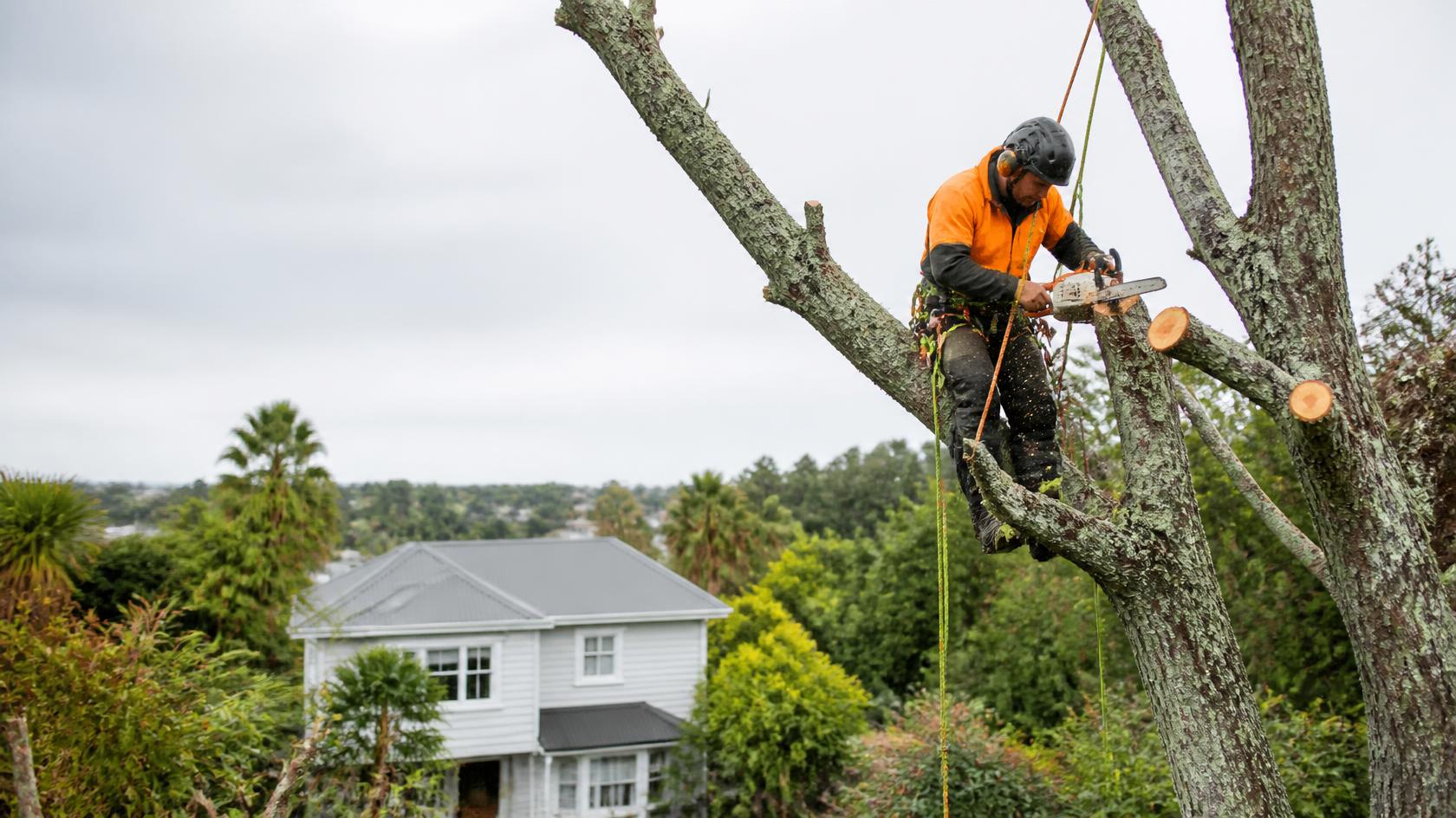
From a single overgrown gum in a Glenfield back yard to a mature oak that has to come out of a Remuera garden without touching anything. Free on-site quote, written price, everything cleaned up before we leave.
We will come and look, tell you honestly what is involved, and put a price in writing. No obligation.
Or call (09) 280 6275 — we answer during working hours.
What we do
A lot of Auckland companies mow lawns and take a tree out on the side. We do tree and hedge work — removal, pruning, stumps and storm damage — and nothing else. That focus is the reason our crews, our rigging gear and the way we plan a site are all built around getting difficult trees down safely rather than around general garden maintenance.
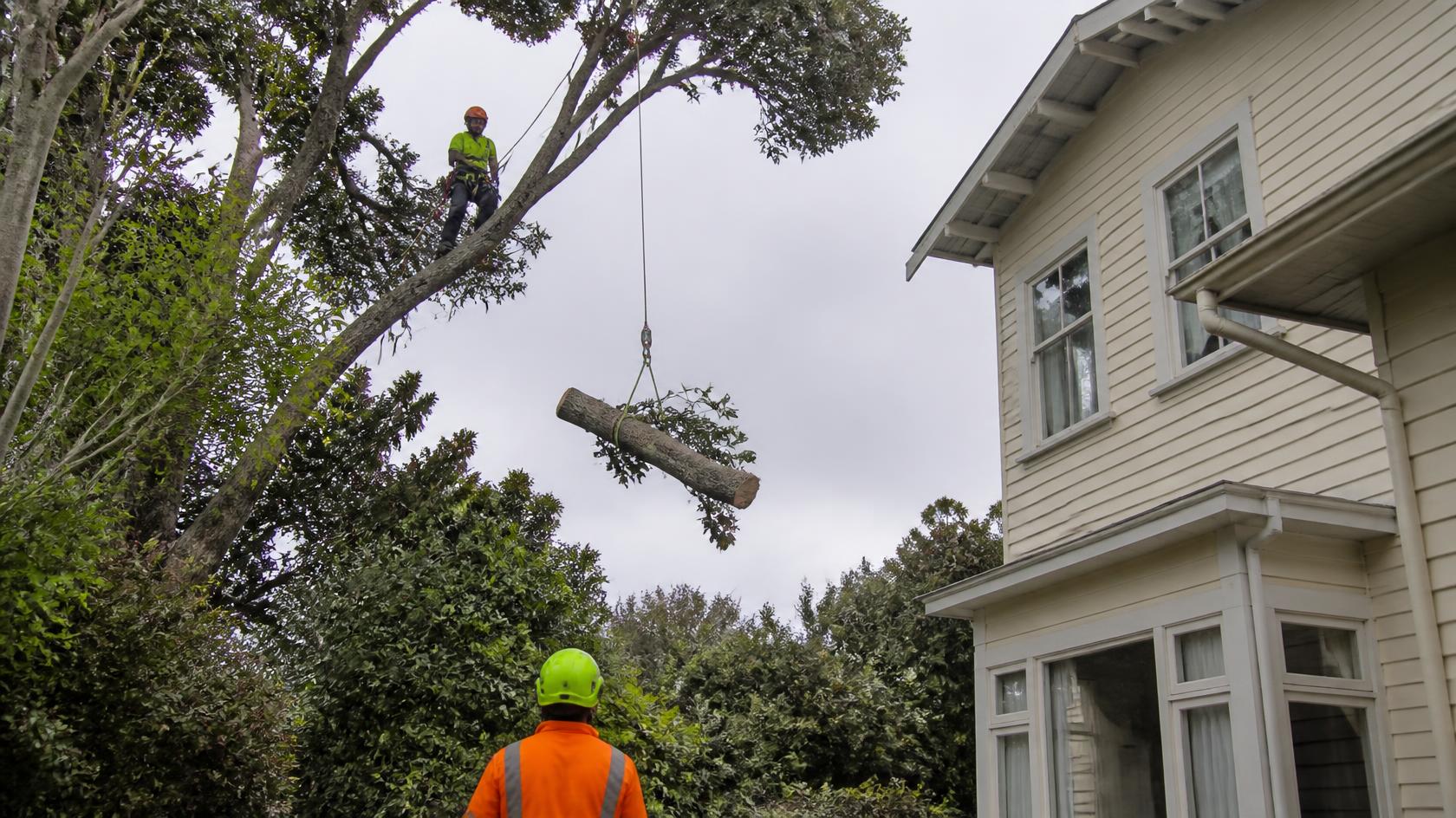
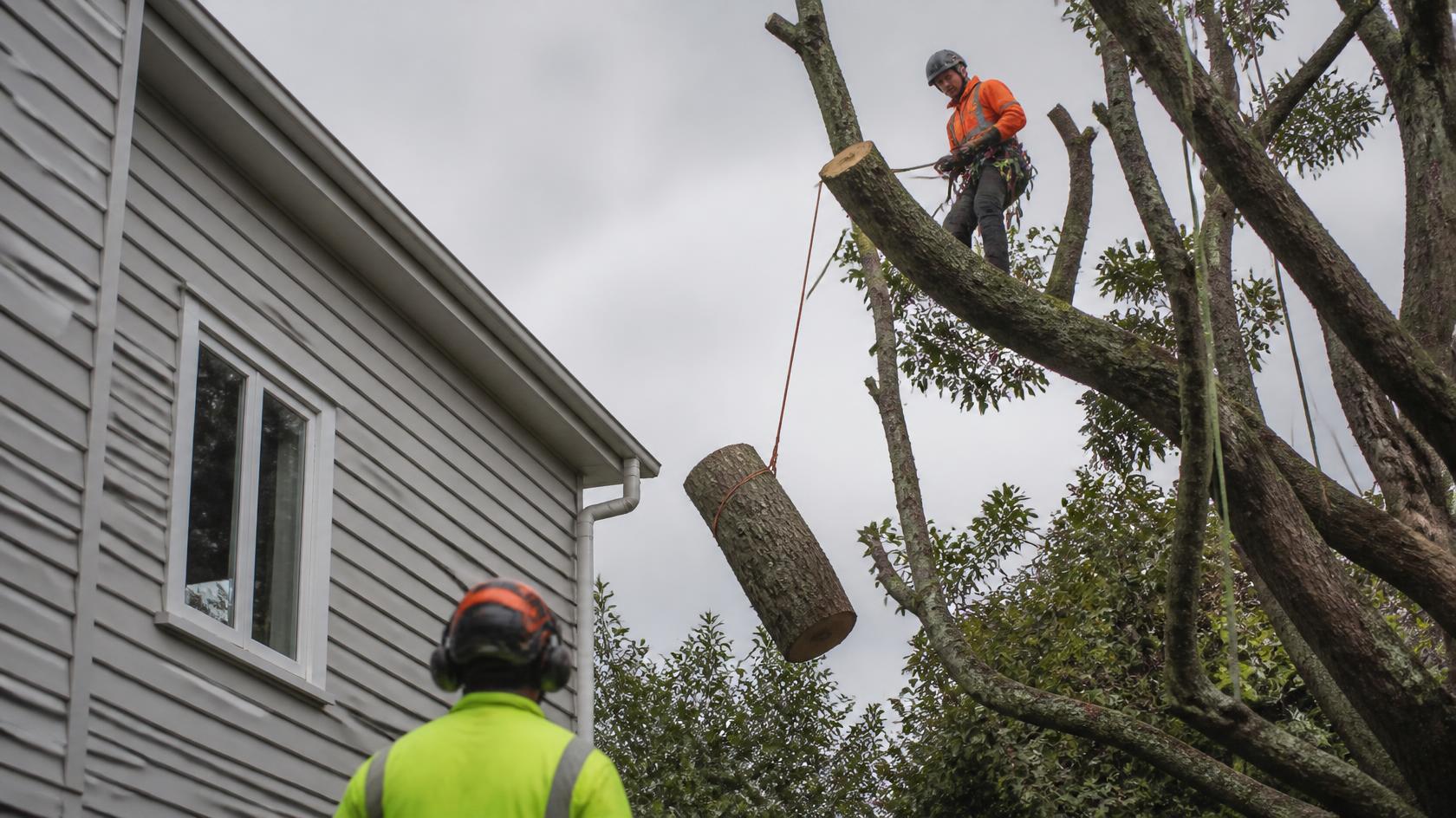
Most of what we are called to is not a tree in the middle of a paddock. It is a tree three metres from a house, hard against a boundary fence, over a pool, under a power line, or on a section where there is nowhere obvious for anything to land. Those jobs are won or lost in the planning, before anyone starts a saw.
We work throughout the Auckland region — central, the North Shore, west, east and south through to Pukekohe — for homeowners, landlords, property managers, body corporates and builders.
Our services
Whatever the tree is doing — leaning, dying, dropping limbs, blocking light, lifting a driveway or already on the ground — one of these covers it.
The tree has to go and there is a house, a fence or a garden underneath it. This is the everyday job and the one we do most.
Tree removal
The tree can stay. It just needs to be lighter, higher off the roof or free of dead wood, cut back to proper growth points rather than topped.
Tree pruning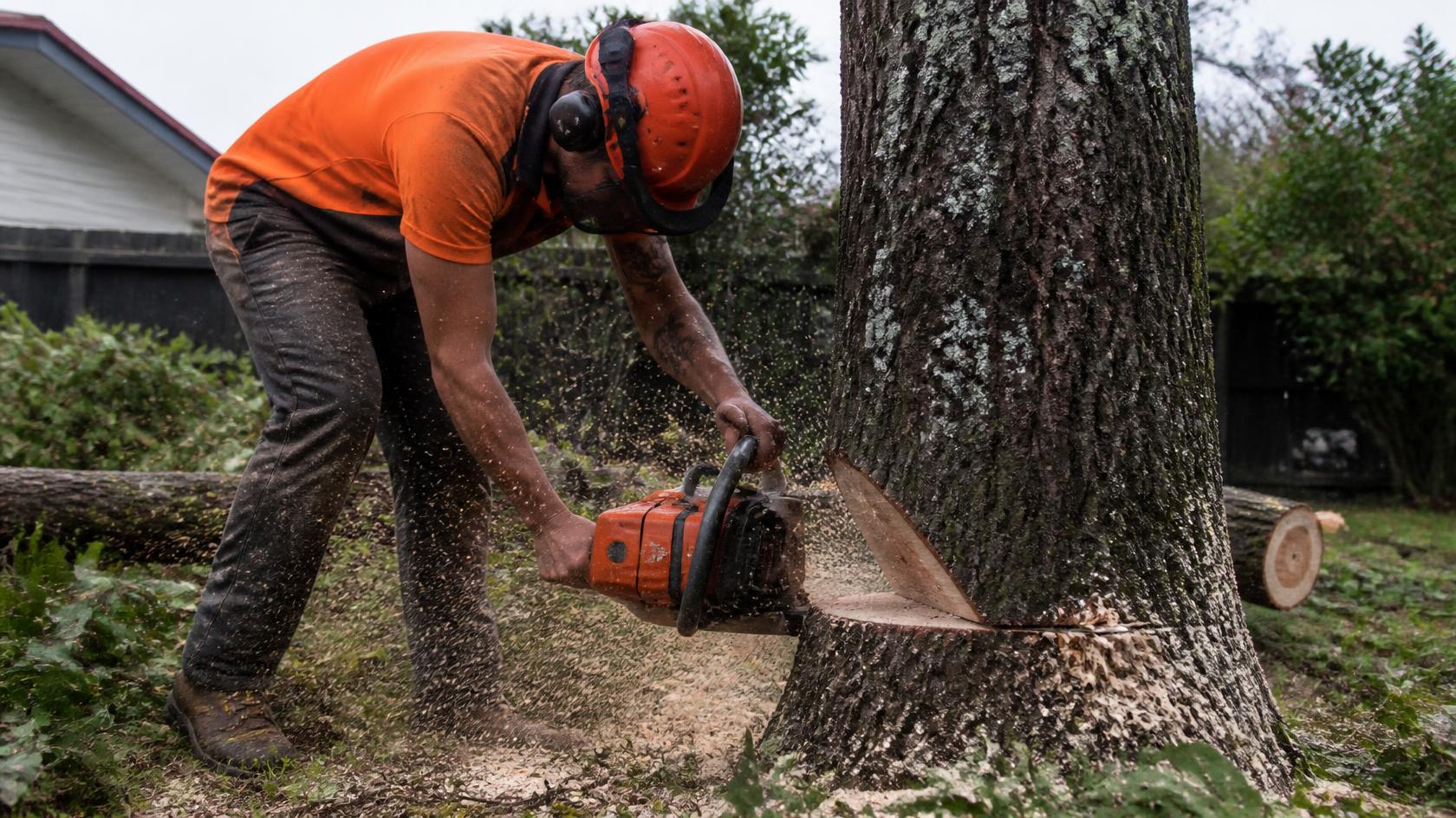
A boundary hedge that has got too tall, too wide or too scruffy. Trimmed and shaped, cut back down to size, or taken out altogether, with the clippings carted away.
Hedge trimming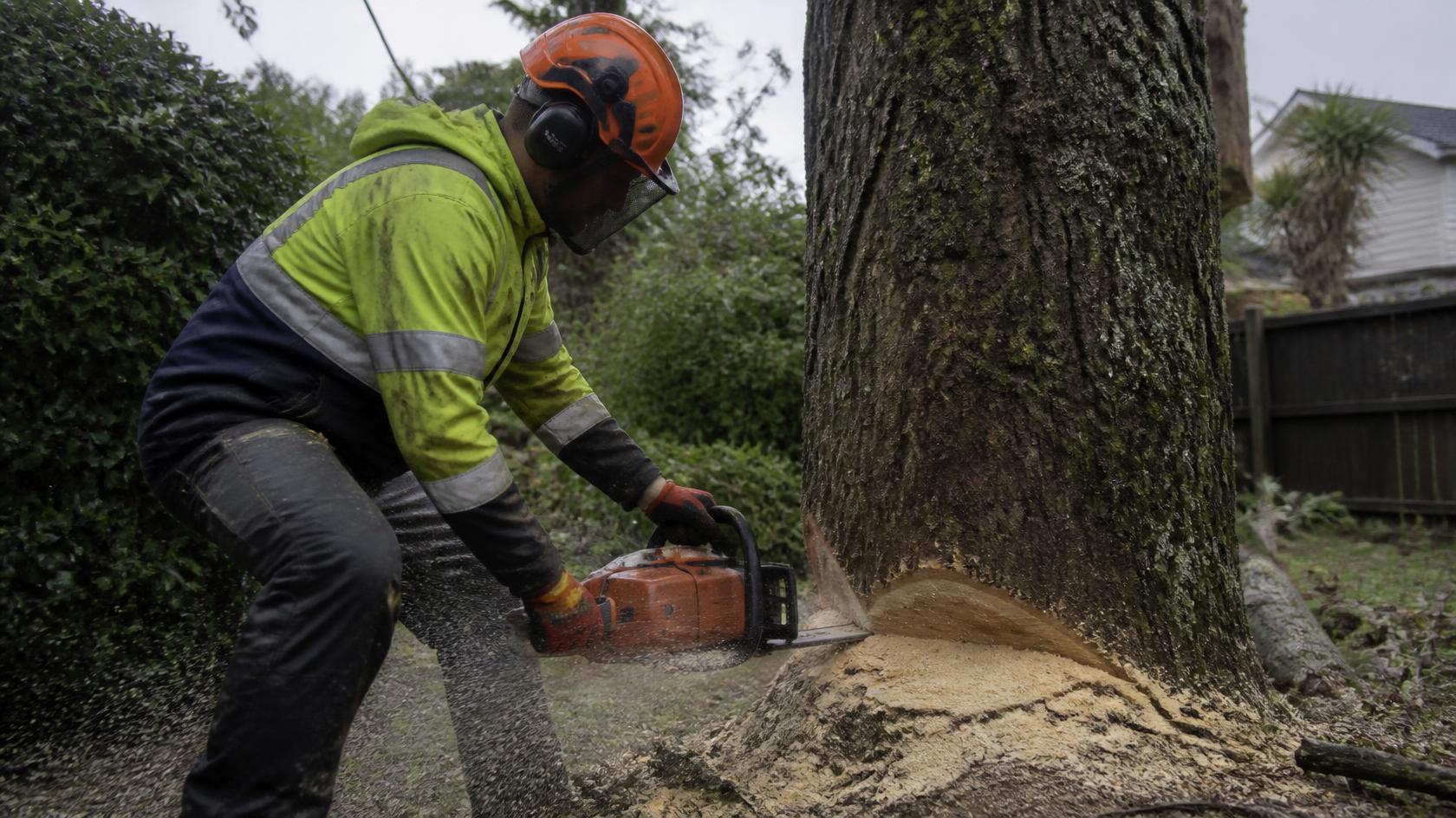
Got real clear space around the tree? Say so. Dropping it whole is dramatically quicker, and the saving lands on your quote.
Tree felling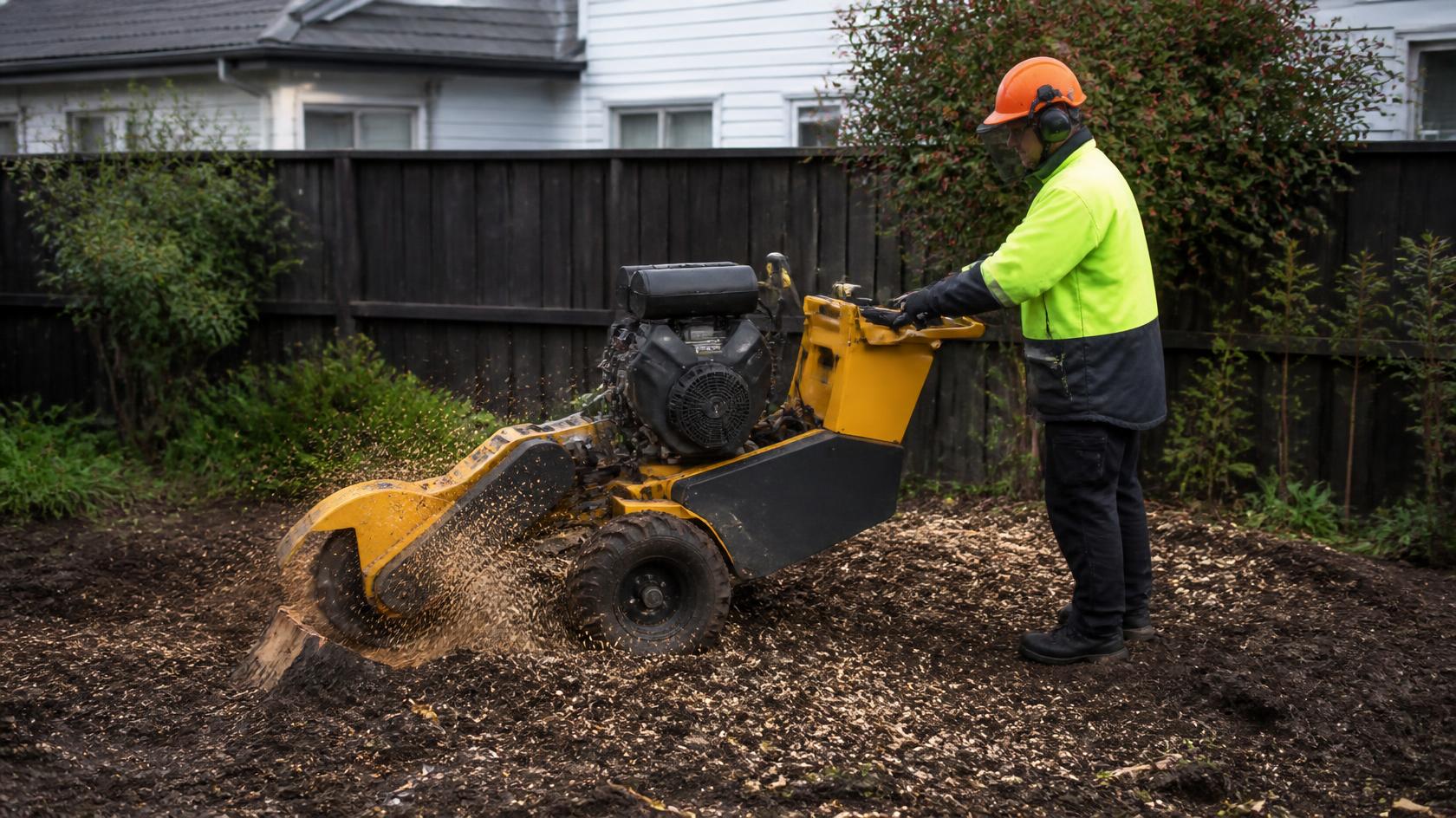
Left with a stump you are mowing around, or one sitting where the new deck goes? Cheapest dealt with while we are already on site.
Stump grinding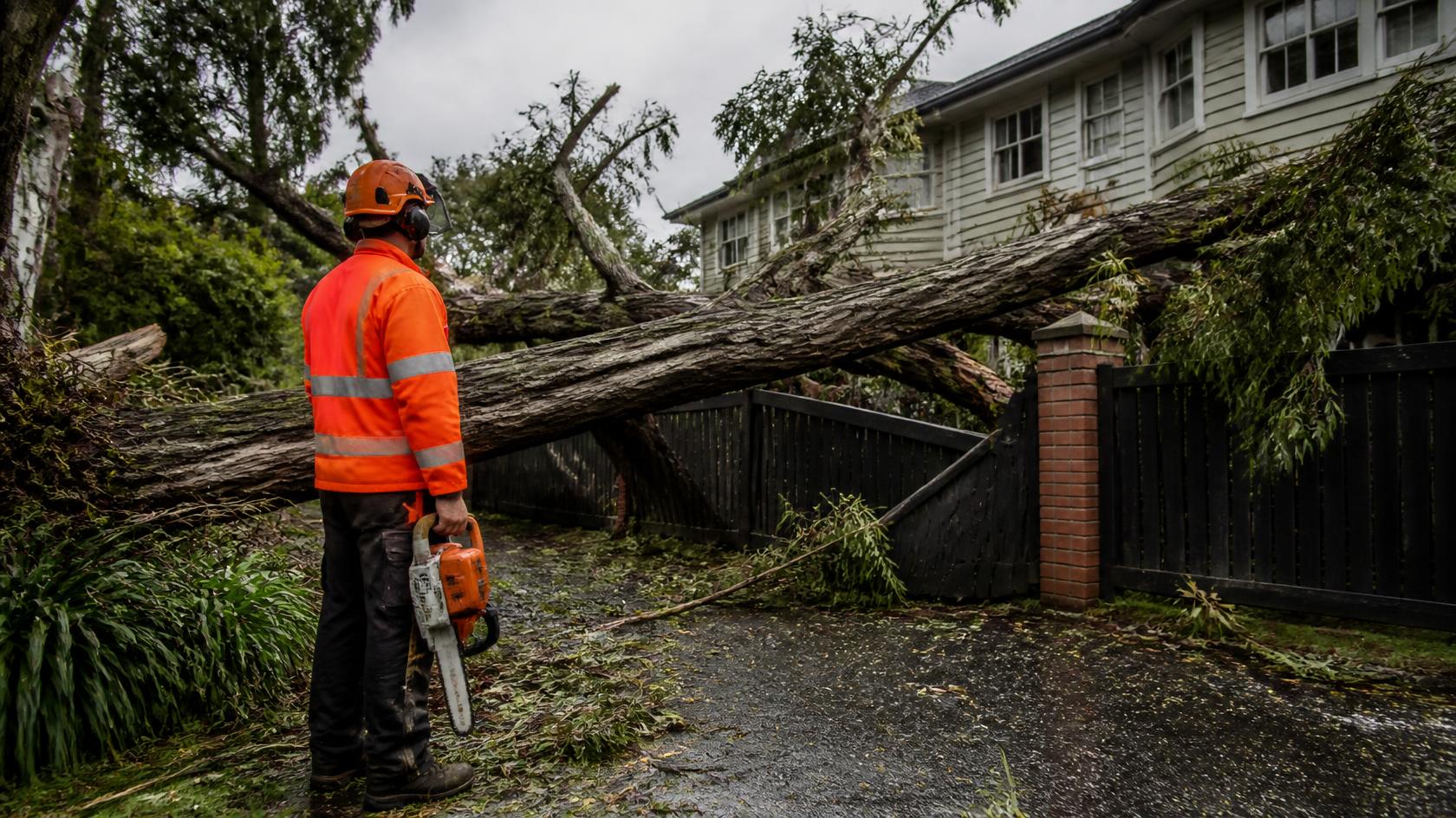
Something has already come down, or is about to. Ring us rather than emailing — these are triaged by risk, not by queue position.
Emergency call-outs
The one other outfits looked at and passed on. Dead, decayed, enormous, or hard up against something expensive.
Difficult removals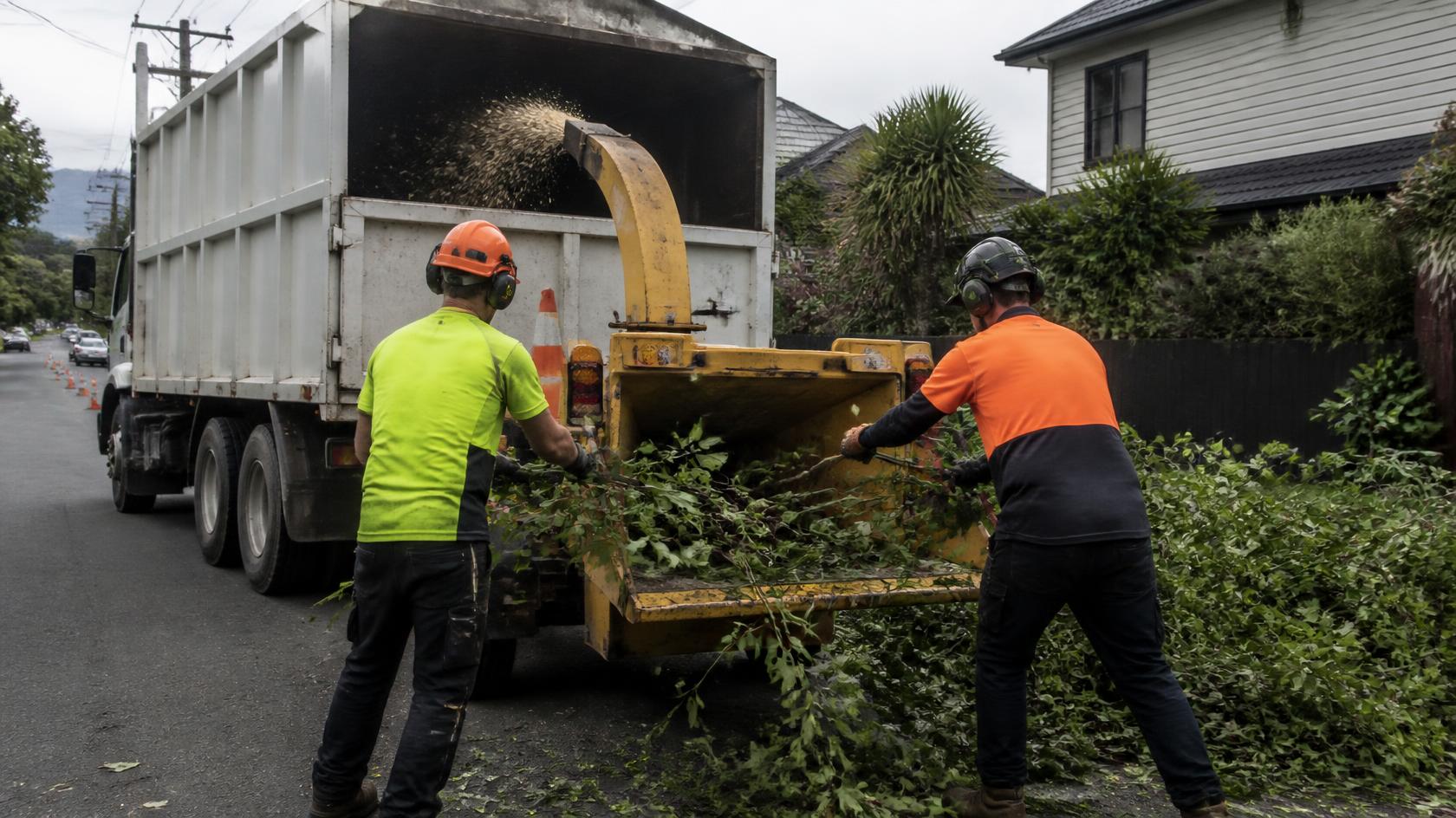
More than a couple of trees, a whole boundary, or a site that has to be ready for a digger. Priced as a project, not per tree.
Site clearing
Phoenix palms and their spines, tall queen palms over the roof, or a palm that just needs its dead fronds and seed heads off.
Palm tree removalWhat it costs
Nobody can quote a tree from a description alone, but you deserve a realistic range before you pick up the phone. These are the figures we see across Auckland in 2026.
| Tree size | Typical height | Indicative cost (NZD, incl. GST) | Usual method |
|---|---|---|---|
| Small tree | Up to 6m | $350 – $900 | Fell or simple sectional |
| Medium tree | 6 – 15m | $800 – $1,800 | Sectional dismantling |
| Large tree | 15 – 25m | $1,500 – $4,500 | Rigged sectional, sometimes crane |
| Very large / hazardous | 25m+ or compromised | $4,000 – $10,000+ | Crane or platform assisted |
| Stump grinding | Per stump | $175 – $500 | Narrow-access grinder |
| Palm tree | Per palm | $400 – $3,500+ | Sectional, felled whole or crane |
| Tree trimming & pruning | Per tree | $200 – $4,000+ | Small trim $200 – $600 |
| Hedge trimming | Per hedge | $150 – $700 | Tall hedges $700 – $2,000+ |
Indicative NZD planning ranges for the Auckland market, incl. GST — not quotes. The seven things that move a price most are access, the available drop zone, proximity to buildings and power lines, the tree's condition, disposal of the material, stump work, and whether traffic management or resource consent is required.
How it works
There are no surprises in this process, and that is deliberate. The commonest complaint people have about tree contractors is a price that moved or a mess that stayed.
Phone, or send us the address and a couple of photos. For emergencies, always phone — we triage those by risk.
Free, on site, usually about twenty minutes. We assess the tree, the access, what is underneath it, and whether any protection or consent applies to the property.
Trees identified, method stated, stump work and disposal spelled out, and anything that would be an extra flagged before you agree to it.
Site set up and protected first, then the tree comes down by the method quoted. You do not need to be home unless you would like to be.
Brush chipped, logs carted, hard surfaces swept, lawns raked. If you asked us to leave firewood or chip, it is stacked where you wanted it.
Why people call us back
We are not the cheapest quote you will get, and we are not trying to be. What we are is predictable: the price you were quoted, the method you were told about, the crew you were expecting, and a property left tidy.
Plenty of trees that look alarming are structurally sound. An assessment looks for decay, tree disease and root problems, not drama. If yours does not need to come out, we will say so and explain why — even though that means no job for us.
Removing a scheduled tree without consent is an offence, and liability reaches the property owner. We look before we price.
Access problems, disposal and stump work are all priced up front. We do not discover extras halfway through a Tuesday.
Ask for our certificate of currency before work starts. Ask any contractor for theirs — the ones who hesitate are telling you something.
A free on-site assessment takes about twenty minutes and costs you nothing. We will give you a straight answer either way.
Where we work
We run crews right across Auckland. Pick your suburb for local detail — the terrain, the species and the access problems are genuinely different from one part of the city to the next.
Before you book anyone
Three questions come up on almost every job. Here are the honest answers, written up properly.
Rules & Consents
Five situations where you need it, one that catches almost everybody, and a ten-minute check that settles it.
10 min read
Tree Safety
What we actually look at on site, ranked by how seriously we take it. Two of them mean stop using the garden today.
8 min read
Hiring
Insurance, method, scope, and who is actually turning up. Ask us all twelve as well.
9 min read
Common questions
Between $350 and $4,500 incl. GST for most residential jobs, and the spread is that wide because access and the drop zone matter more than the tree's height. Our cost guide has the size-by-size ranges and the seven things that move a quote.
Usually not — but there are five exceptions, and they are not visible from looking at the tree. Search your address in Auckland Council's GeoMaps before you book anyone, or work through our consent guide. We run the check as part of quoting anyway.
Usually, yes. Most garden trees on private urban land in Auckland can be removed without consent. The exceptions are scheduled notable trees, trees in a Significant Ecological Area or near the coast or a stream, trees kept as a consent condition, and anything on council land. Native trees are not protected just for being native; their location is what counts. The consent guide covers how to check.
Yes. With sectional dismantling we can take a large tree out of a space barely wider than its own trunk — every piece rigged and lowered, nothing dropped free over the roof, the gutters or the deck. It is slower than felling, and the quote reflects that. See how a sectional removal works.
Yes, included as standard rather than charged as an extra. Branches go through the chipper, logs are cut and carted, and the area is raked and swept before the crew leaves. Want the firewood rounds or the chip kept back as garden mulch? Tell us when we quote and we will stack it wherever suits.
People first, then photographs, then phone calls. If any line is involved stay 10 metres back and ring the network operator or 111 before anything else. Our storm damage guide sets out the full sequence, including how the insurance side usually works.
Normally their insurer pays for their house and yours pays for yours. Owning the tree does not make you automatically liable when a sound tree comes down in a severe storm. It is different if the tree was obviously dead or decaying and you had been warned, so deal with any concern in writing. The storm guide explains liability in more detail.
Yes, and we will send you the certificate of currency if you ask. Worth asking whoever else you are getting quotes from, too — it is one of twelve questions that sort out very quickly who you are dealing with.